🇦🇺
--
Sydney
Local Time (AEST)--:--
Your Time--:-- – --:--
AUD/USDNZD/USDAUD/JPYAUD/NZDNZD/JPY

The Sydney session kicks off the global trading week every Sunday evening (ET). As the first major financial center to open, it sets the initial direction for Asia-Pacific currencies and is the primary liquidity window for AUD and NZD pairs.
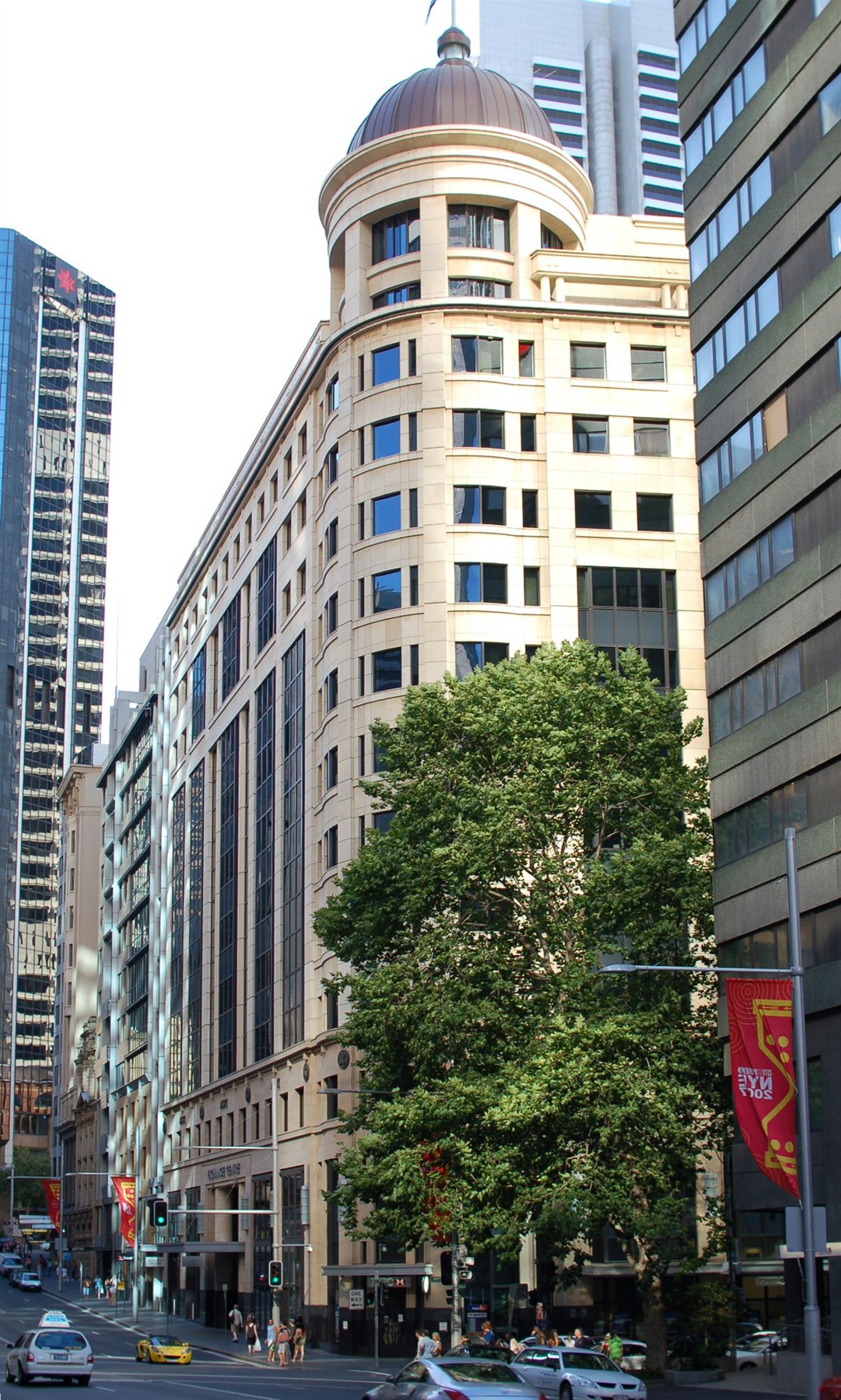
Real-time tracking of the Sydney forex trading session in your timezone
Key facts about the Asia-Pacific opening session
The Sydney session runs from 7:00 AM to 4:00 PM AEST (Australian Eastern Standard Time), a 9-hour window that overlaps significantly with the Tokyo session. In UTC, this translates to approximately 21:00–06:00, though the exact times shift during Australia's daylight saving period (first Sunday in October through the first Sunday in April).
Every Sunday, the Sydney open at 5:00 PM Eastern Time marks the official start of the global forex trading week. This makes it the only session that routinely opens against a closed market — a characteristic that creates the well-known "Sunday gap" phenomenon.
Sydney contributes roughly 4% of daily forex volume, making it the least liquid of the four major sessions. Spreads on major pairs like EUR/USD tend to be wider than during London or New York hours — typically 1.5–3 pips compared to 0.1–0.8 pips during the London–New York overlap.
However, this lower volatility is not necessarily a disadvantage. Range-bound strategies perform well during the early Sydney session, and liquidity improves substantially once Tokyo comes online. For AUD and NZD pairs specifically, the Sydney session offers the tightest spreads of the day.
Pacific currencies dominate volume during Sydney hours
The most traded pair during the Sydney session. Australian economic data — including employment figures, trade balance, and RBA rate decisions — directly impacts this pair. Price action tends to be more directional after major data releases.
New Zealand's kiwi dollar sees its best liquidity during the Sydney–Tokyo overlap. RBNZ decisions and New Zealand dairy auction results are the primary fundamental drivers for this pair.
A popular carry-trade cross that benefits from the interest rate differential between Australia and Japan. Volume picks up significantly once Tokyo opens, making the overlap window the optimal entry point.
AUD/NZD is a tightly correlated pair that tends to range within predictable bands, making it well-suited for mean-reversion strategies. NZD/JPY offers exposure to risk sentiment across the Asia-Pacific region.
High-impact releases that move AUD and NZD pairs during Sydney hours
The Reserve Bank of Australia meets eight times per year. Rate decisions are announced at 2:30 PM AEST and can move AUD/USD 50–100+ pips. The accompanying statement on monetary policy outlook often triggers sustained directional moves lasting into the Tokyo and London sessions.
Monthly employment data is released by the Australian Bureau of Statistics, typically at 11:30 AM AEST. The unemployment rate and employment change figures routinely generate sharp AUD moves, particularly when results deviate from consensus forecasts.
The Reserve Bank of New Zealand sets the Official Cash Rate seven times per year. New Zealand GDP, CPI, and GlobalDairyTrade auction results also influence the kiwi. These releases typically occur during the Sydney–Tokyo overlap, amplifying their market impact.
Approaches that capitalize on the unique characteristics of the Pacific session
When the market reopens Sunday evening, prices frequently gap from Friday's close due to weekend events. Gap-fade strategies involve entering against the gap direction, targeting a retracement back to Friday's closing price. Historical data suggests roughly 70% of Sunday gaps fill within the first 4–8 hours. Use tight stops positioned beyond the gap extreme.
The early Sydney session (before Tokyo opens) produces tight, predictable ranges on most pairs. Identify support and resistance from the first hour, then trade bounces between those levels. EUR/USD, GBP/USD, and AUD/NZD are particularly range-bound during this window. Mean-reversion indicators like RSI and Bollinger Bands work well.
Volume and volatility increase significantly once Tokyo opens and both sessions run simultaneously. This is the best window for directional trades on AUD/JPY, AUD/USD, and NZD/JPY. Breakouts from the early Sydney range often develop into the primary Asian trend. Look for clean breaks above or below the initial Sydney range with confirming volume.
Australian and New Zealand data releases create short-lived but powerful spikes in AUD and NZD pairs. Position ahead of scheduled releases using straddle orders (buy-stop above and sell-stop below current price) to capture the initial reaction. RBA rate decisions and employment data produce the largest moves.
The Sydney session opens at 7:00 AM and closes at 4:00 PM AEST (Australian Eastern Standard Time). In UTC, this is approximately 21:00–06:00. In US Eastern Time, it runs from 5:00 PM to 2:00 AM. These times shift by one hour during Australia's daylight saving period (October–April). Use the live session card above to see the exact hours in your timezone.
Sydney is the first major session to open each trading week, starting Sunday at 5:00 PM ET. It is the first market to react to weekend news, geopolitical developments, and central bank statements released after Friday's close. For traders focused on AUD and NZD pairs, Sydney provides the primary liquidity window with the tightest spreads of the day on those currencies.
The most actively traded pairs are AUD/USD, NZD/USD, AUD/JPY, AUD/NZD, and NZD/JPY. These Pacific-region currencies see the tightest spreads and most reliable price action during Sydney hours. AUD/USD dominates volume, while AUD/NZD tends to range within predictable bands, making it suitable for mean-reversion strategies.
Sunday gaps occur when prices at the Sydney open differ from Friday's closing price. This happens because sentiment shifts over the weekend due to news events, geopolitical developments, or central bank communications. Gap-fade strategies — trading against the gap direction — are popular because approximately 70% of Sunday gaps fill within the first several hours. Traders typically place stops beyond the gap extreme and target a return to Friday's close.
Generally, yes. The Sydney session accounts for roughly 4% of daily forex volume, making it the quietest of the four major sessions. Spreads on EUR/USD and GBP/USD tend to be 2–3x wider than during London hours. However, volatility can increase sharply during Australian data releases (RBA decisions, employment data) and during the Sydney–Tokyo overlap when combined volume rises significantly.
The Sydney–Tokyo overlap is the period when both sessions are active simultaneously, typically lasting 5–6 hours. This overlap is the most active portion of the Asian trading day, with noticeably higher volume on AUD/JPY, USD/JPY, and NZD/JPY. Breakouts from early Sydney ranges often develop during this window, making it the best time for directional trades on Asia-Pacific pairs.